Shiloh Maliyah: A Playful Script Font for Brand Identity
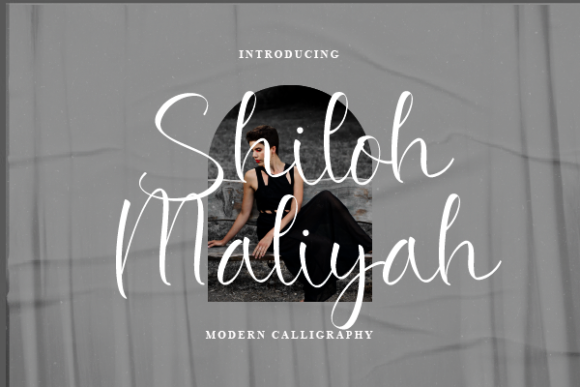
I was staring at a blank artboard last Tuesday, coffee gone cold, trying to crack the visual identity for a local artisan bakery. The client wanted something that felt handmade and warm but not cliché. I had cycled through three different sans serif options and a stiff serif that felt too corporate. Then, I dropped Shiloh Maliyah onto the canvas. Immediately, the mood shifted. This isn't just another digital typeface; it is a lovely script font featuring charming, playful characters that seem to dance along the baseline. In that moment, the logo concept finally breathed.
As a brand designer, I am always skeptical of "cute" fonts because they often lack the structural integrity needed for real-world application. However, after testing Shiloh Maliyah across a full suite of design assets—from business cards to packaging mockups—I found it strikes a rare balance between whimsical personality and professional usability. It feels like a handwritten note from a friend, yet it holds its own as a primary display font in a modern typography system.
Visual Personality and Character Flow
The first thing you notice about Shiloh Maliyah is its rhythm. Many script fonts suffer from rigid baseline alignment, making them look mechanical and lifeless. Shiloh Maliyah avoids this trap entirely. The characters possess a natural bounce, creating an organic flow that mimics genuine hand-lettering. This movement is crucial for brand perception; it signals approachability, creativity, and a human touch without sacrificing legibility.
When zoomed in during the logo design phase, the stroke contrast is evident but soft. It doesn't scream for attention with aggressive thick-and-thin transitions like some high-contrast scripts. Instead, it offers a consistent weight that renders beautifully on both high-resolution screens and printed materials. For a creative studio or a handmade shop branding project, this specific quality helps establish an identity that feels curated rather than mass-produced.
Real-World Application in Branding Projects
Taking this font from a logo draft to a full brand board revealed its versatility. I placed Shiloh Maliyah on a hypothetical packaging label for a skincare line. At larger sizes, the playful nature of the glyphs adds a premium, boutique feel. It works exceptionally well as a headline font or an accent font where you need to draw the eye to a specific product name or tagline.
I also tested it on social media graphics. In the crowded feed of Instagram, where static sans serif headers are the norm, Shiloh Maliyah stands out. It adds a layer of texture and emotion to promotional posts. However, it is important to remember its role. This is fundamentally a display font. While it shines on website headers and hero sections, I would advise against using it for long body text or small print details on a flyer. Readability drops when the size decreases too much, which is typical for decorative script fonts.
For business cards, the font performs well when used for the name or title, provided there is ample white space around it. Pairing it with a clean, geometric sans serif for the contact details creates a sophisticated hierarchy. The contrast between the flowing script and the structured supporting typeface ensures the card looks professional while retaining that unique creative spark.
Strategic Font Pairing and Hierarchy
One of the most critical aspects of using a distinctive typeface like Shiloh Maliyah is knowing what to pair it with. Because the font has so much personality and movement, it needs a stable partner. In my testing, I found it pairs beautifully with a neutral sans serif font. A modern, low-contrast sans allows the script to be the star while ensuring the rest of the information remains crisp and easy to scan.
If you are working on editorial design or a lookbook, try combining Shiloh Maliyah with a classic serif font for subheadings. This combination can evoke a sense of tradition mixed with modern playfulness, ideal for lifestyle blogs or craft-focused publications. Avoid pairing it with other handwritten or overly decorative fonts, as this creates visual noise and dilutes the impact of the script. The goal is balance; let Shiloh Maliyah handle the emotional connection while your secondary font handles the information delivery.
Limitations and Professional Considerations
While Shiloh Maliyah is a fantastic tool for adding charm to a project, it is not a one-size-fits-all solution. As mentioned, it is not suitable for dense paragraphs or small caption text. If your project requires heavy data presentation, legal disclaimers, or formal corporate communication, this script should be used sparingly, if at all. It thrives in environments where emotion and aesthetics take precedence over pure information density.
Furthermore, before finalizing any client work, always review the included styles and file formats. Check for alternates, ligatures, or swashes that might enhance specific letter combinations in your logo. Not every script font includes extensive multilingual support, so verify character sets if you are designing for a global audience. Additionally, ensure you have the correct webfont availability if the design will live online, as rendering can vary between browsers.
Finally, a crucial reminder for freelancers and agency owners: always check the commercial font licensing. Using a font in a logo, packaging design, or merchandise for a client often requires a specific license different from personal use. Ensure you are compliant before delivering final files to avoid legal complications down the road.
Final Verdict for Designers
Shiloh Maliyah is a delightful addition to any designer's toolkit, specifically for projects that need to feel personal and inviting. Whether you are refreshing a café's visual identity, designing a wedding invitation suite, or creating a brand board for a new online shop, this font delivers on its promise to make ideas stand out. It captures the essence of a lovely script font featuring charming, playful characters that seem to dance along the baseline. By understanding its strengths as a display piece and respecting its limitations regarding readability, you can leverage Shiloh Maliyah to create memorable, engaging, and visually distinct brand identities.